

-
FREE GIFT
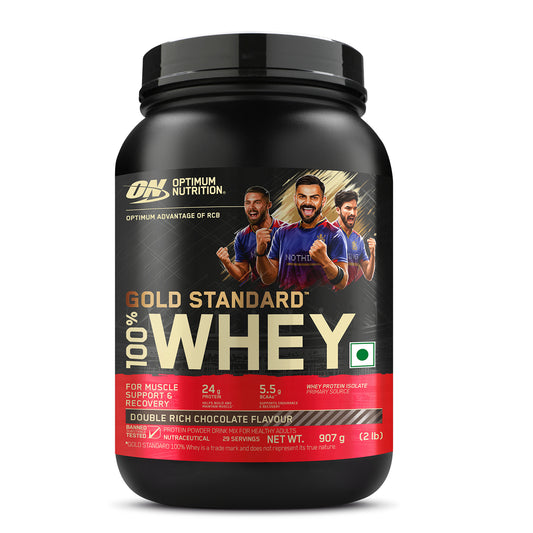
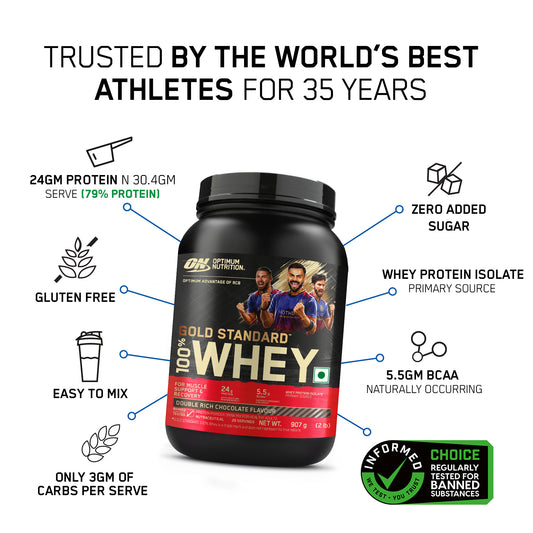
Gold Standard 100% Whey Protein | 907 g (2 lbs) | Double Rich Chocolate
Regular price ₹ 3,949Regular price MRP₹ 4,429Sale price ₹ 3,949 11% OFFInclusive of all taxesUnit price per4 FlavoursSale -
FREE GIFT
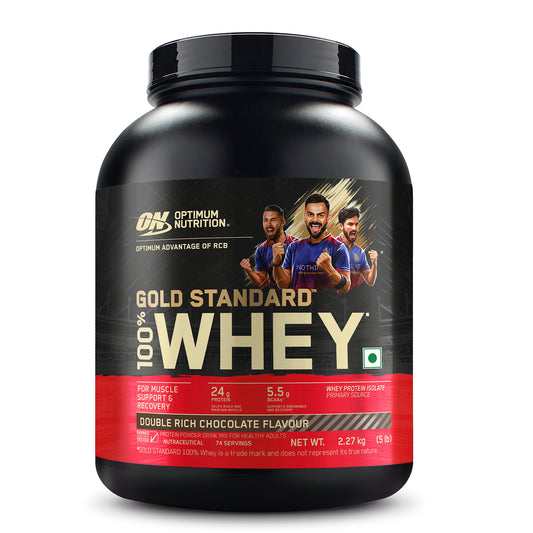
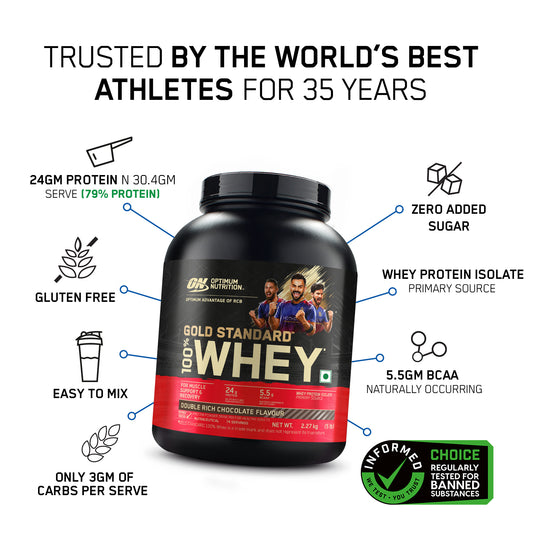
Gold Standard 100% Whey Protein Powder | Double Rich Chocolate | 5 lbs
Regular price ₹ 8,999Regular price MRP₹ 9,849Sale price ₹ 8,999 9% OFFInclusive of all taxesUnit price per3 FlavoursSale -


Gold Standard 100% Whey Protein Powder | Double Rich Chocolate | 1 lbs
Regular price ₹ 2,149Regular price MRP₹ 2,389Sale price ₹ 2,149 10% OFFInclusive of all taxesUnit price per2 FlavoursSale -
FREE GIFT


Gold Standard 100% Whey Protein Powder | Double Rich Chocolate | 4 kg
Regular price ₹ 14,999Regular price MRP₹ 16,459Sale price ₹ 14,999 9% OFFInclusive of all taxesUnit price per2 FlavoursSale -

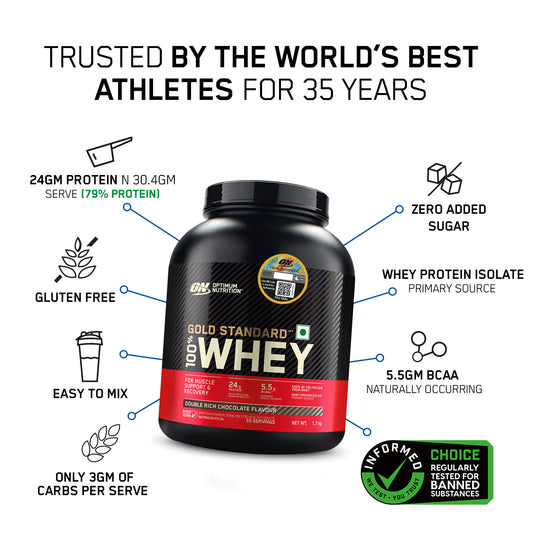
Gold Standard 100% Whey Protein Powder | Double Rich Chocolate | 1.7 kg
Regular price ₹ 6,799Regular price MRP₹ 7,649Sale price ₹ 6,799 11% OFFInclusive of all taxesUnit price per1 FlavourSale -

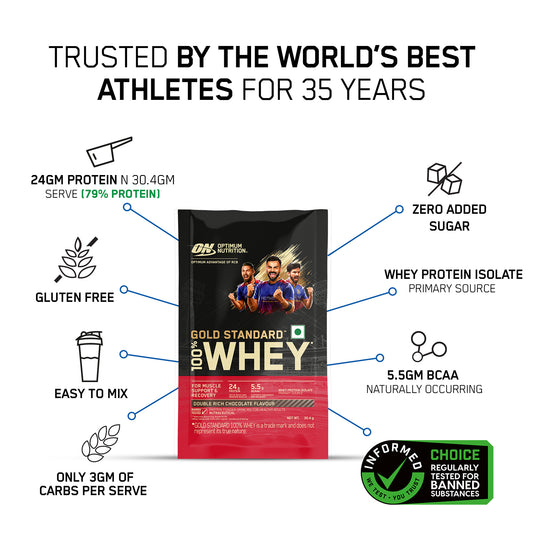
Gold Standard 100% Whey Protein Powder | Double Rich Chocolate | 152 g
Regular price ₹ 839Regular price MRP₹ 940Sale price ₹ 839 11% OFFInclusive of all taxesUnit price per3 FlavoursSale -
NEW


Performance Whey Protein Powder 1Kg (Chocolate Milkshake)
Regular price ₹ 2,949Regular price MRP₹ 3,109Sale price ₹ 2,949 5% OFFInclusive of all taxesUnit price per1 FlavourSale -

Gold Standard 100% Whey 5 Lbs Double Rich Chocolate + Pre Workout Green Apple
Regular price ₹ 9,139Regular price MRP₹ 10,558Sale price ₹ 9,139 13% OFFInclusive of all taxesUnit price per1 FlavourSale -

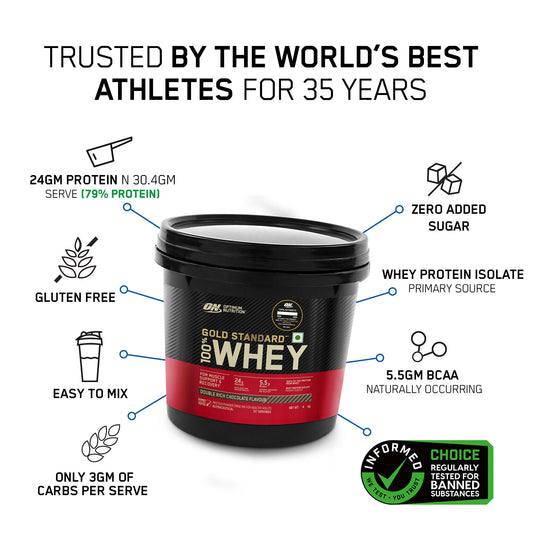
Gold Standard 100% Whey 4 KG Double Rich Chocolate + Pre Workout Green Apple
Regular price ₹ 15,149Regular price MRP₹ 17,168Sale price ₹ 15,149 12% OFFInclusive of all taxesUnit price per1 FlavourSale -


Shake The Whey Gift Box: Gold Standard 100% Whey Double Rich Chocolate 2 lbs + Steel Shaker
Regular price ₹ 4,699Regular price MRP₹ 5,093Sale price ₹ 4,699 8% OFFInclusive of all taxesUnit price per1 FlavourSale -
NEW

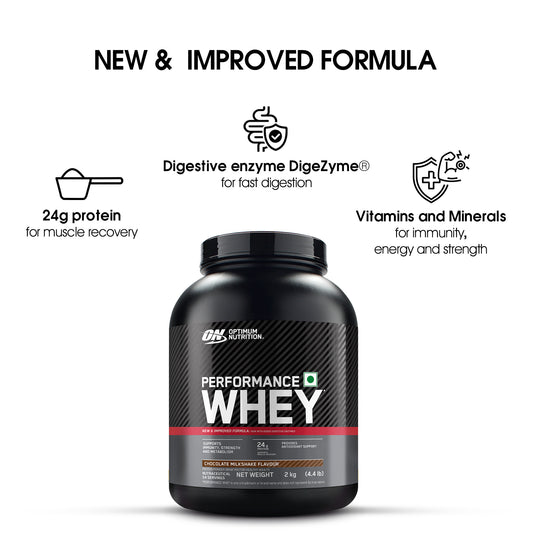
Optimum Nutrition (ON) Performance Whey Protein Powder, 24g Protein,2Kg (Chocolate Milkshake), Ultra-Filtered and Concentrated All-Whey Protein
Regular price ₹ 5,779Regular price MRP₹ 6,759Sale price ₹ 5,779 14% OFFInclusive of all taxesUnit price per1 FlavourSale -

Gold Standard 100% Whey Protein Powder Double Rich Chocolate 5 lbs + Multivitamin for MEN- 60 Tablets + Zinc Magnesium Aspartate (ZMA) - 60 Capsules + Fish Oil - 60 Capsules
Regular price ₹ 10,129Regular price MRP₹ 12,303Sale price ₹ 10,129 18% OFFInclusive of all taxesUnit price per1 FlavourSale -
NEW

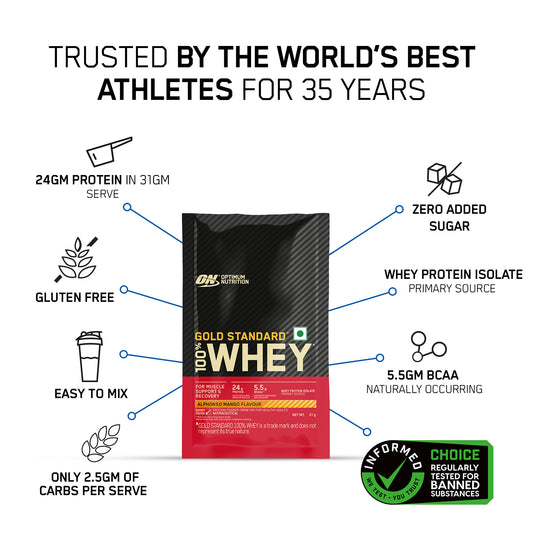
Optimum Nutrition Gold Standard 100% Whey - Alphonso Mango - Pack of 5 single serve sachets
Regular price ₹ 879Regular price MRP₹ 940Sale price ₹ 879 6% OFFInclusive of all taxesUnit price per3 FlavoursSale -
NEW
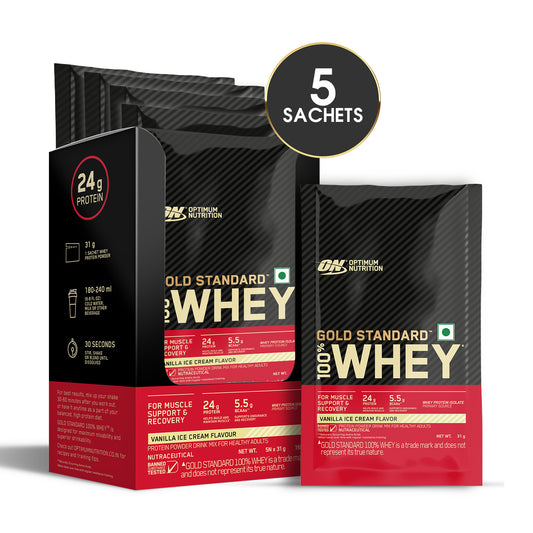
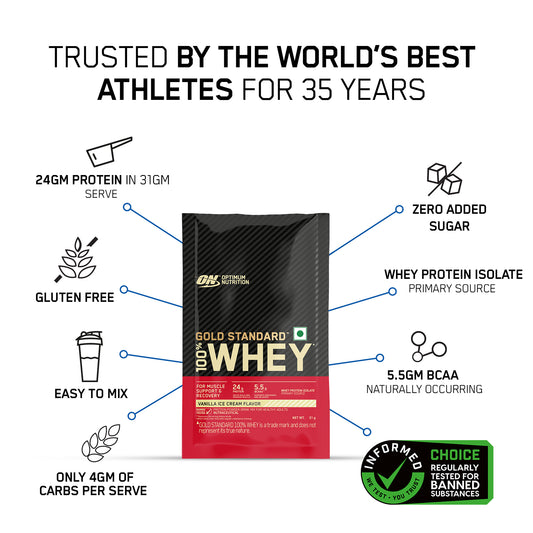
Optimum Nutrition Gold Standard 100% Whey - Vanilla Ice Cream - Pack of 5 single serve sachets
Regular price ₹ 839Regular price MRP₹ 940Sale price ₹ 839 11% OFFInclusive of all taxesUnit price per3 FlavoursSale -

Gold Standard 100% Whey Protein Powder Double Rich Chocolate 4 kg + Multivitamin for MEN- 60 Tablets + Zinc Magnesium Aspartate (ZMA) - 60 Capsules + Fish Oil - 60 Capsules
Regular price ₹ 16,169Regular price MRP₹ 18,913Sale price ₹ 16,169 15% OFFInclusive of all taxesUnit price per1 FlavourSale -
FREE GIFT

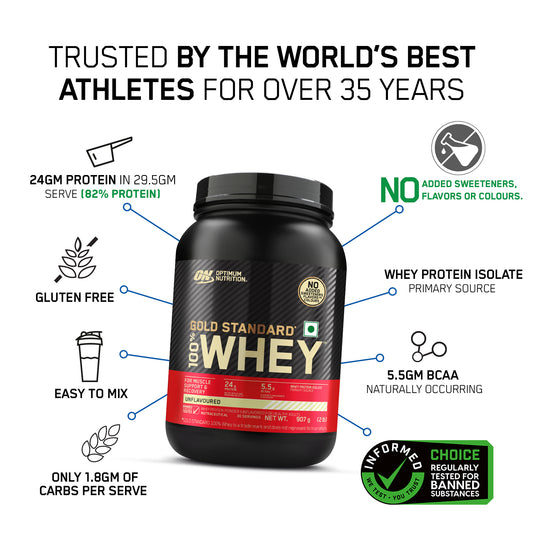
Unflavoured Optimum Nutrition (ON) Gold Standard 100% Whey Protein Powder - 2 lb, 907 g
Regular price ₹ 4,449Regular price MRP₹ 4,999Sale price ₹ 4,449 11% OFFInclusive of all taxesUnit price per4 FlavoursSale -

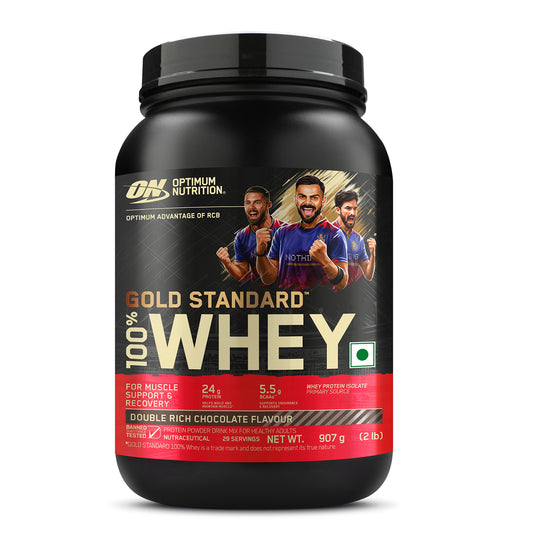
Optimum Nutrition (ON) Gold Standard Pre-Workout- 142.5g/15 single serve packs (Green Apple Flavor), For Energy, Focus, Power, Endurance & Performance and Gold Standard 100% Whey Protein Powder | Double Rich Chocolate | 2 lbs
Regular price ₹ 4,349Regular price MRP₹ 5,138Sale price ₹ 4,349 15% OFFInclusive of all taxesUnit price per1 FlavourSale -


Muscle Gain Gift Box: Gold Standard 100% Whey Double Rich Chocolate 2 lbs + Creatine 100g + Steel Shaker
Regular price ₹ 5,199Regular price MRP₹ 5,792Sale price ₹ 5,199 10% OFFInclusive of all taxesUnit price per1 FlavourSale -


Performance Whey Protein Powder 0.5Kg (Chocolate Milkshake)
Regular price ₹ 1,599Regular price MRP₹ 1,599Sale price ₹ 1,599Inclusive of all taxesUnit price per1 Flavour -


Performance Whey Protein Powder 1Kg (Chocolate Milkshake) + Multivitamin for MEN- 60 Tablets
Regular price ₹ 3,459Regular price MRP₹ 3,948Sale price ₹ 3,459 12% OFFInclusive of all taxesUnit price per1 FlavourSale -

Gold Standard 100% Whey Protein Powder | Double Rich Chocolate | 2 lbs + Fish Oil - 60 Capsules
Regular price ₹ 4,259Regular price MRP₹ 5,095Sale price ₹ 4,259 16% OFFInclusive of all taxesUnit price per1 FlavourSale -


Performance Whey 1 kg - Pack of 2
Regular price ₹ 5,699Regular price MRP₹ 6,218Sale price ₹ 5,699 8% OFFInclusive of all taxesUnit price per1 FlavourSale -

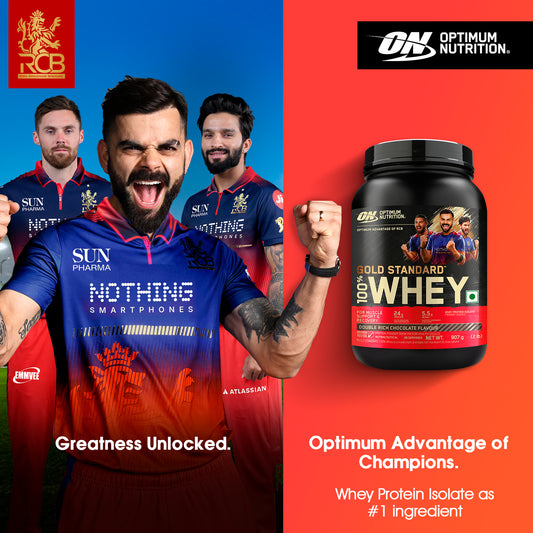
Gold Standard 100% Whey | 2 lbs | Double Rich Chocolate + Creatine 250 g
Regular price ₹ 4,599Regular price MRP₹ 5,468Sale price ₹ 4,599 16% OFFInclusive of all taxesUnit price per1 FlavourSale -

Gold Standard 100% Whey | 2 lbs | Double Rich Chocolate + Multivitamin for MEN- 60 Tablets + Zinc Magnesium Aspartate (ZMA) - 60 Capsules + Fish Oil - 60 Capsules
Regular price ₹ 5,429Regular price MRP₹ 6,883Sale price ₹ 5,429 21% OFFInclusive of all taxesUnit price per1 FlavourSale -

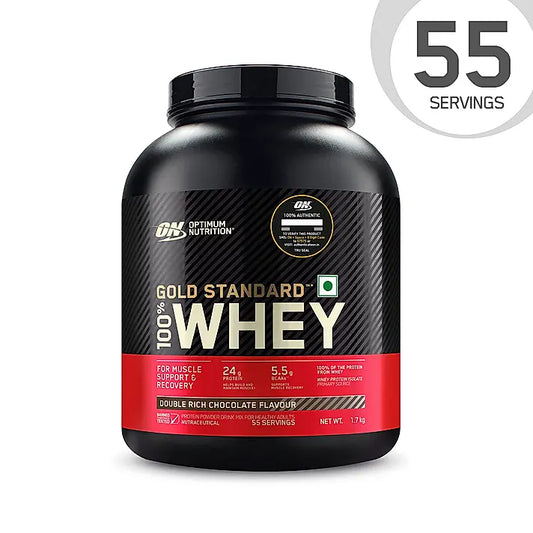
Gold Standard 100% Whey Protein Powder Double Rich Chocolate 1.7 kg + Pre Workout Green Apple
Regular price ₹ 7,049Regular price MRP₹ 8,358Sale price ₹ 7,049 16% OFFInclusive of all taxesUnit price per1 FlavourSale -

Gold Standard 100% Whey Protein Powder Vanilla Ice Cream 4 kg and Micronized Creatine Powder Unflavoured 250 g
Regular price ₹ 15,359Regular price MRP₹ 17,498Sale price ₹ 15,359 12% OFFInclusive of all taxesUnit price per1 FlavourSale -


Performance Whey Protein | 1 kg (2.2 lbs) | Chocolate + Micronized Creatine Powder | Unflavoured | 100 g
Regular price ₹ 3,339Regular price MRP₹ 3,728Sale price ₹ 3,339 10% OFFInclusive of all taxesUnit price per1 FlavourSale -

Gold Standard 100% Whey Protein Powder Double Rich Chocolate 4 kg and Micronised Creatine Powder Unflavoured 250 g
Regular price ₹ 15,359Regular price MRP₹ 17,498Sale price ₹ 15,359 12% OFFInclusive of all taxesUnit price per1 FlavourSale -

Gold Standard 100% Whey 2 Lbs Double Rich Chocolate + Creatine 100 g
Regular price ₹ 4,259Regular price MRP₹ 5,048Sale price ₹ 4,259 16% OFFInclusive of all taxesUnit price per1 FlavourSale -

Gold Standard 100% Whey Protein Powder Vanilla Ice Cream 5 lbs and Micronised Creatine Powder Unflavoured 250 g
Regular price ₹ 9,369Regular price MRP₹ 10,888Sale price ₹ 9,369 14% OFFInclusive of all taxesUnit price per1 FlavourSale -

Gold Standard 100% Whey Protein Powder Double Rich Chocolate 5 lbs and Micronised Creatine Powder Unflavoured 250 g
Regular price ₹ 9,369Regular price MRP₹ 10,888Sale price ₹ 9,369 14% OFFInclusive of all taxesUnit price per1 FlavourSale -

Gold Standard 100% Whey Protein Powder Double Rich Chocolate 1.7 kg and Micronised Creatine Powder Unflavoured 250 g
Regular price ₹ 7,299Regular price MRP₹ 8,688Sale price ₹ 7,299 16% OFFInclusive of all taxesUnit price per1 FlavourSale


What Is Protein Powder and Why Does It Matter?
Protein powder is a convenient and efficient protein supplement designed to help meet daily protein requirements, especially for individuals with active lifestyles or specific fitness goals. It is typically derived from sources like milk (whey and casein), plants (pea, soy, rice), or eggs, making it available in multiple protein powder types to suit different dietary preferences. Protein plays a crucial role in muscle repair, recovery, and overall body function. During exercise, muscle fibres experience microscopic damage, and protein helps rebuild them stronger. This makes whey protein one of the most popular choices due to its fast absorption and high amino acid profile. Beyond fitness, protein powder supports satiety, helps maintain lean body mass during weight loss, and contributes to metabolic health. For individuals who struggle to meet protein needs through whole foods alone, a high-quality protein powder becomes a practical addition to daily nutrition.
Explore Optimum Nutrition’s Whey & Performance Protein Powder Range
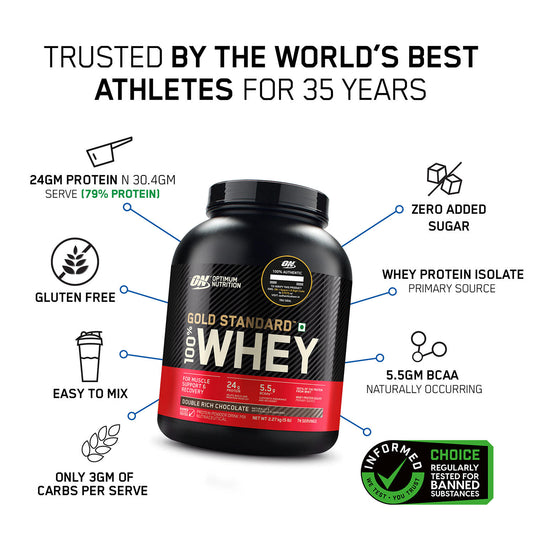
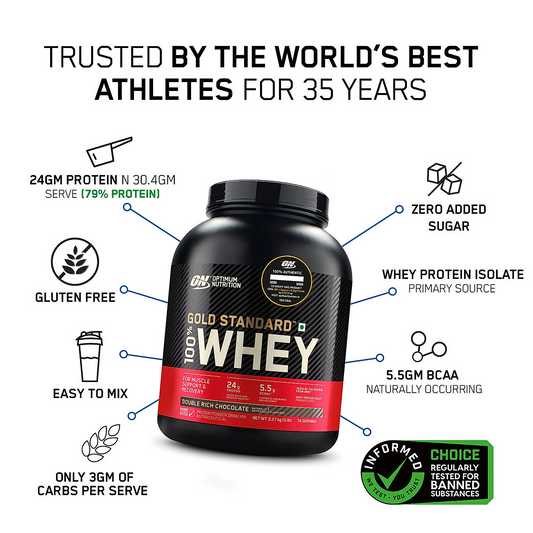
Optimum Nutrition offers a diverse lineup of scientifically formulated products designed to support various fitness levels and goals. Their range includes premium whey protein, advanced performance whey, and specialised blends tailored for muscle building, endurance, and recovery. Gold Standard Whey is one of the most recognised options globally, known for its purity, taste, and mixability. It provides a balanced combination of whey protein isolate and concentrate, delivering fast-digesting protein ideal for post-workout recovery. Performance-focused formulas go beyond basic protein content by including additional ingredients that support stamina, strength, and recovery. These products are designed for athletes and individuals who require sustained performance during intense training sessions. Optimum Nutrition also caters to dietary preferences with vegetarian-friendly formulations and products that align with clean nutrition standards. Each product is developed with consistency, quality, and effectiveness in mind, ensuring users receive reliable supplementation.
How to Choose the Right Protein Powder for Your Goals?
Selecting the right protein supplement depends on: your fitness objective dietary needs digestion preferences Understanding protein powder types is essential to making an informed decision. For muscle gain and recovery, whey protein is often the preferred choice due to its rapid absorption and high leucine content, which supports muscle protein synthesis. If you are comparing whey protein to isolate protein, whey isolate contains a higher protein percentage with lower fat and lactose, making it suitable for those seeking lean muscle or who have mild lactose sensitivity. For weight management, a low-calorie, high-protein option like whey isolate or plant-based protein can help maintain muscle while reducing overall calorie intake. Performance-oriented individuals may benefit from performance whey, which supports endurance and recovery during intense workouts. Dietary restrictions also play a role. Vegetarians can opt for plant-based proteins or dairy-derived whey products that meet their nutritional requirements. Individuals with sensitive digestion may prefer isolates or hydrolysed proteins for easier absorption. Choosing the best protein powder ultimately depends on aligning the product with your specific goals, whether it is muscle gain, fat loss, endurance, or general wellness.
Best Way to Mix and Consume Protein Powder
The effectiveness of a protein supplement is influenced not just by the product but also by how and when it is consumed. Proper mixing ensures better taste, digestion, and nutrient absorption. Protein powder can be mixed with water, milk, or plant-based beverages, depending on preference. Water provides faster absorption, making it ideal for post-workout recovery, while milk adds extra calories and nutrients, supporting muscle gain. A shaker bottle is the most convenient way to mix protein powder, ensuring a smooth, lump-free texture. For enhanced nutrition, protein can also be blended into smoothies with fruits, oats, or nut butters. Timing plays a key role in maximising protein powder benefits. Consuming protein after workouts helps repair and rebuild muscles, while taking it in the morning or between meals supports consistent protein intake throughout the day. Consistency matters more than timing. Regularly meeting daily protein needs is the most important factor for achieving results.
Safety Standards and Authenticity of Optimum Nutrition Protein Products
Optimum Nutrition maintains strict quality control and safety standards across its product range. Each batch undergoes rigorous testing to ensure purity, potency, and consistency. Authenticity is a major concern in the supplement industry, and Optimum Nutrition addresses this through secure packaging, authentication labels, and verified distribution channels. Consumers are encouraged to purchase products from trusted retailers to ensure they receive genuine supplements. The brand follows international manufacturing standards and uses high-quality raw materials to deliver safe and effective products. This commitment to quality has made it a trusted name in the global nutrition market. Using authentic protein supplements ensures not only better results but also long-term health and safety.
FAQs
What is the difference between whey isolate and whey protein?
The main difference lies in processing and purity. Whey protein concentrate contains slightly more fats and carbohydrates, while whey isolate is more refined, offering higher protein content with minimal lactose and fat. Isolate is often preferred for lean muscle gain and easier digestion.
How much protein powder should I take per day?
The amount depends on your body weight, activity level, and goals. General guidelines suggest understanding how much protein to take per day based on your needs, typically ranging from moderate intake for general fitness to higher intake for muscle building. Protein powder should supplement, not replace, whole food sources.
When is the best time to take protein powder?
The amount of protein you need depends on you and your goals. Typically, a healthy adult should get 10 to 35% their total daily calories from protein. For the average healthy adult looking to maintain – consuming 0.83 to 1.0 grams of protein per kilogram of bodyweight per day spread across a few meals and snacks is suggested. For those with increased physical activity or strength training, they can increase intake upto 1.2 to 2.2 grams of protein per kilogram per day spread across a few meals and snacks. Example: A healthy sedentary adult weighing 68kg will need at least 68kg x 0.83g = 56 grams protein per day.
Can beginners use protein powder even without intense workouts?
Yes, beginners can use protein powder to meet daily protein needs. Even without intense workouts, protein supports muscle maintenance, metabolism, and overall health.
Are Optimum Nutrition protein powders suitable for vegetarians?
Most whey-based products are suitable for vegetarians as they are derived from milk. Plant-based options are also available for those who prefer non-dairy alternatives.
Is it safe to mix protein powder with hot liquids?
Protein powder can be mixed with warm liquids, but extremely high temperatures may affect its texture and slightly alter its structure. It is best to mix with lukewarm or cold liquids for optimal results.
Can protein powder cause digestive issues or skin issues?
Some individuals may experience mild digestive discomfort due to lactose or certain ingredients. Choosing whey isolate or plant-based protein can help reduce such issues. Skin effects are rare and usually linked to individual sensitivities.
Can protein powder replace whole-food protein?
No. Protein powder should complement, not replace, whole foods. Whole foods provide additional nutrients like fibre, vitamins, and minerals that are essential for overall health, while protein powder offers convenience and targeted supplementation.
Blog article


